
How Automated Truck Loading Systems Reduce Labour Costs and Safety Risks
 If you’re still loading trucks manually in 2025, I’m going to be blunt:
You’re wasting money.
You’re slowing down your operations.
And you’re exposing your team to unnecessary risks.
The truth?
Manual truck loading feels “normal” because warehouses have done it the same way for decades.
But normal doesn’t mean efficient. And it definitely doesn’t mean profitable.
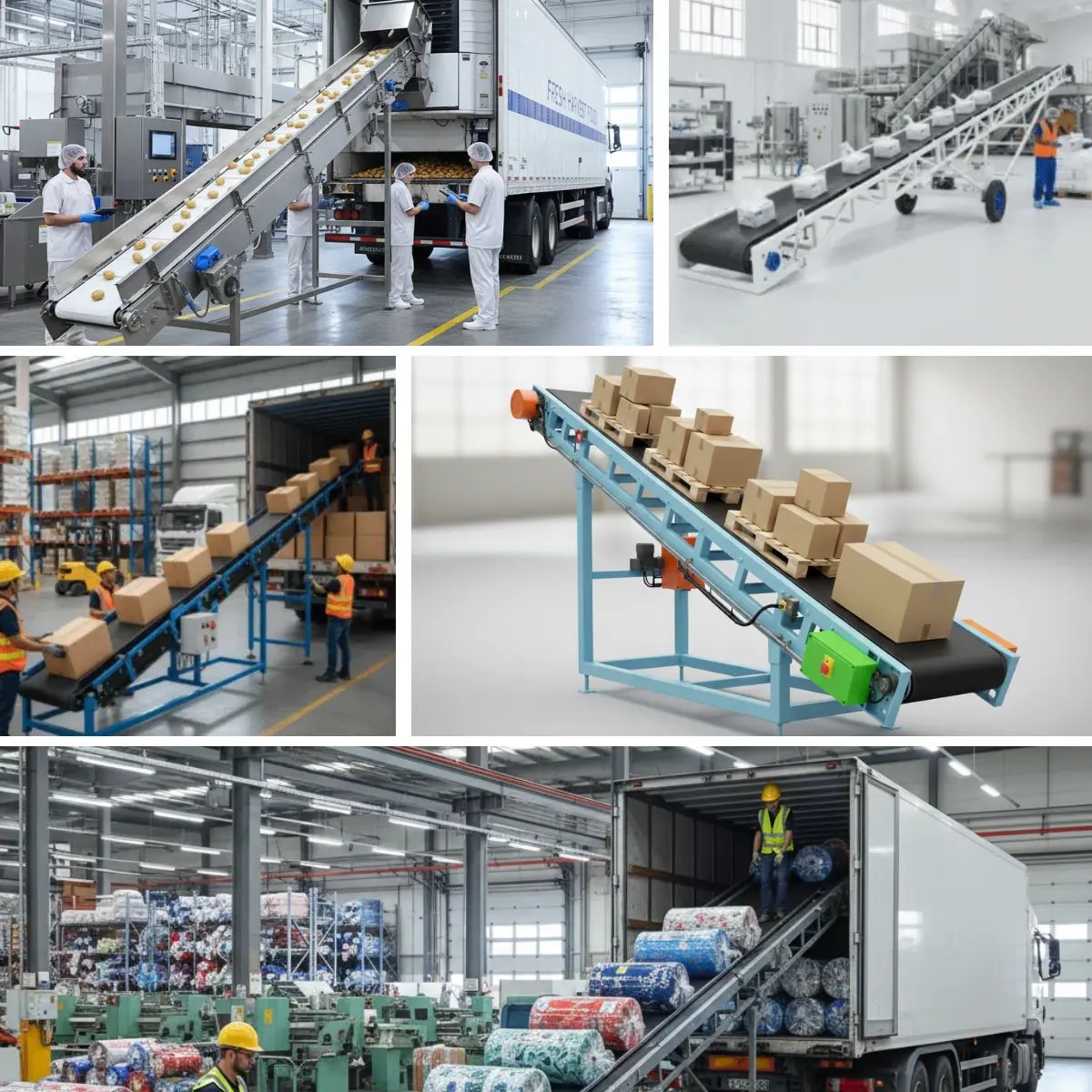
Today, the smartest logistics companies are switching to Automated Truck Loading Systems (ATLS) — and seeing massive improvements within weeks.
Let’s break it down in a simple, ROI-focused way.
If you’re still loading trucks manually in 2025, I’m going to be blunt:
You’re wasting money.
You’re slowing down your operations.
And you’re exposing your team to unnecessary risks.
The truth?
Manual truck loading feels “normal” because warehouses have done it the same way for decades.
But normal doesn’t mean efficient. And it definitely doesn’t mean profitable.
Today, the smartest logistics companies are switching to Automated Truck Loading Systems (ATLS) — and seeing massive improvements within weeks.
Let’s break it down in a simple, ROI-focused way.
The Hidden Costs Nobody Calculates (But Every Warehouse Pays)
Most warehouse managers think manual loading is cheap because you’re paying people instead of buying automation. But here’s the math they miss:- 6–10 workers per truck
- 45–90 minutes of loading time
- High overtime expenses
- Frequent injuries
- Slower dispatch cycles
- Customer delays
- Fatigue → mistakes → product damage
What Automated Truck Loading Systems Actually Do
Automated truck loading systems remove the manual effort from loading. This can include:- Telescopic belt conveyors
- Mobile/loading conveyors
- Extendable boom conveyors
- Roller conveyors
- Pallet-loading automation systems
1. Labour Costs Drop Faster Than You Think
Here’s where automation blows manual loading out of the water.Manpower goes from 10 to 2–3 people.
Yes, really. You can reduce labour usage by 40–60% instantly.Loading time becomes predictable and faster.
Manual loading: 45–90 minutes Automated loading: 10–25 minutes Imagine what that does to your daily dispatch capacity.No more seasonal hiring headaches.
Automation doesn’t need training, holidays, or breaks. You finally stop managing chaos.2. Safety Risks Drop to Near-Zero
If you look at accident reports inside warehouses, one thing stands out: Truck loading is one of the most injury-prone tasks. Why?- Heavy lifting
- Repetitive strain
- Slipping inside trucks
- Tight spaces
- Forklifts entering trailers
- Fatigue from continuous handling
3. Loading Speeds Increase → Customers Stay Happier
Today’s supply chain moves fast. And customers expect speed — ALWAYS. When you automate:- Trucks leave faster
- Dispatch times become more accurate
- Bottlenecks disappear
- Logistics teams stop firefighting
- Your delivery reliability improves
4. Product Damage Drops Sharply
Manual loading = human fatigue = mistakes. Boxes get dropped. Pallets get pushed incorrectly. Edges get crushed. Automated systems provide:- Controlled movement
- Smooth transitions
- Consistent placement
5. You Become Future-Ready (Your Competitors Won’t See It Coming)
Automation isn’t a trend. It’s not “nice to have.” It’s the new baseline for efficient warehouses. When you automate your truck loading, you gain:- Higher throughput
- Scalability without extra labour
- Ability to handle peak demand without panic
- Integration options with sorting, scanning, and packing automation
- Long-term operational stability
Who Benefits the Most From Truck Loading Automation?
If your business does frequent dispatches, ATLS can transform your operations. Especially for:- Logistics & warehousing companies
- E-commerce fulfilment hubs
- Retail distribution centers
- Manufacturing plants
- Airports and cargo terminals
- FMCG and food & beverage companies